Forge PodcastWeekly Conversations from the WorkshopSteel Chemistry · Edge Geometry · Living CraftForge PodcastWeekly Conversations from the WorkshopSteel Chemistry · Edge Geometry · Living CraftForge PodcastWeekly Conversations from the WorkshopSteel Chemistry · Edge Geometry · Living CraftForge PodcastWeekly Conversations from the WorkshopSteel Chemistry · Edge Geometry · Living CraftForge PodcastWeekly Conversations from the WorkshopSteel Chemistry · Edge Geometry · Living CraftForge PodcastWeekly Conversations from the WorkshopSteel Chemistry · Edge Geometry · Living Craft
EP. 047|February 24, 2026

FORGE

The Bladesmithing PodcastConversations from the workshop floor
"

My grandfather said a stone that hasn't been flattened is a stone that's lying to you. The steel knows before your eye does.

Kenji Nakamura, Third-generation bladesmith, Seki City

Nakamura walks us through his family's three-generation relationship with natural Japanese whetstones — from quarrying Ohira-to in the mountains above Kyoto to the moment a blade's scratch pattern tells you the edge geometry is honest.
15s PreviewEP. 047
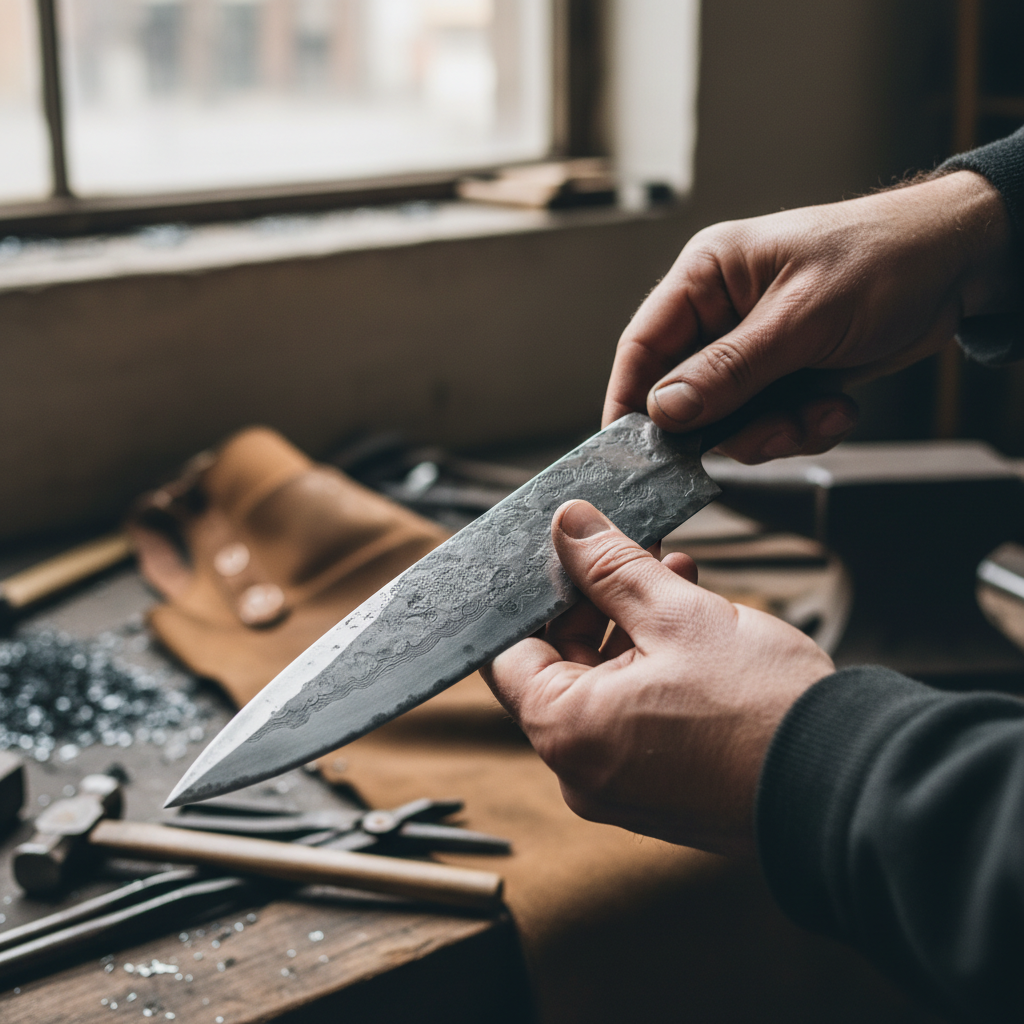
Bladesmith's hands holding a half-finished blade clamped in a vise, workshop background with steel shavings
EP. 047
Water Stones and Whetted Memory
with Kenji Nakamura
Forge

New episodes every Tuesday

The Archive
Recent Episodes

From the Workshop Floor

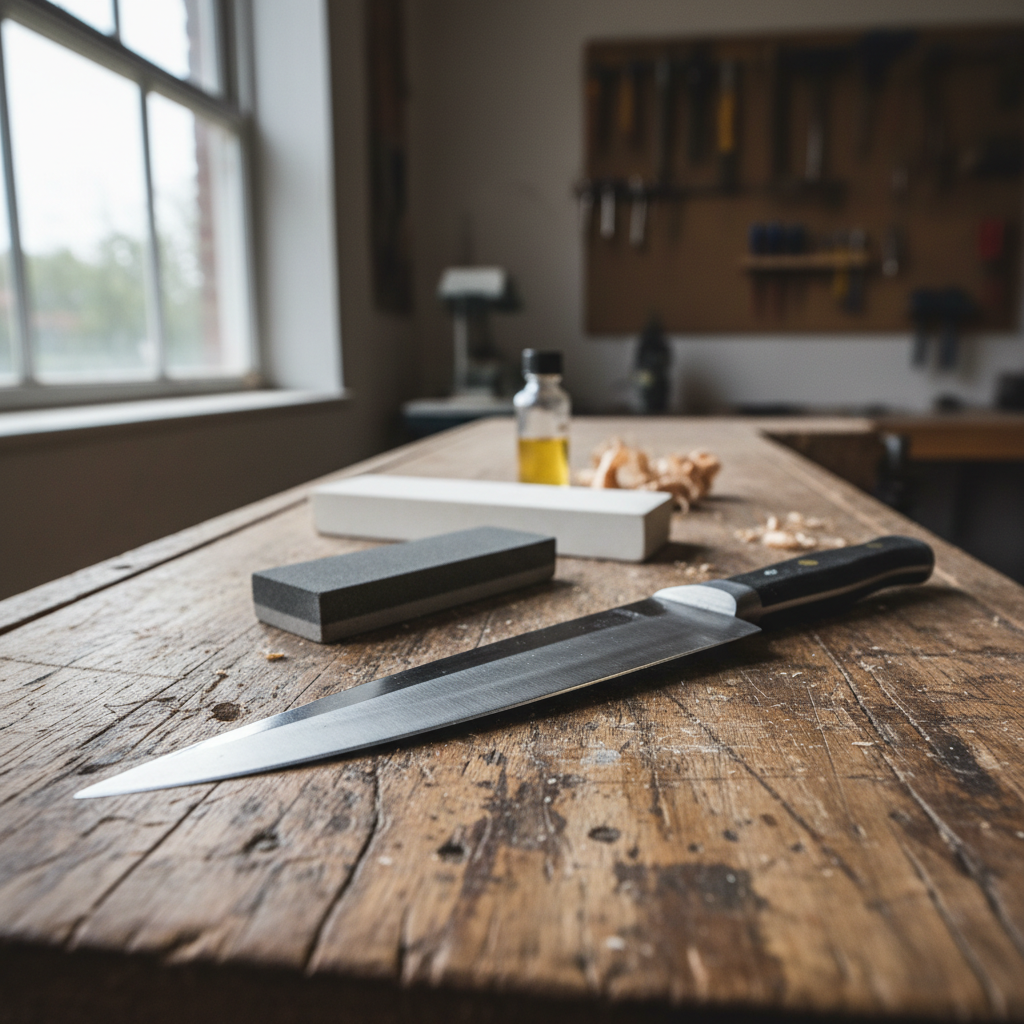
Closeup of a knife blade on a wooden workbench with sharpening stones beside it, natural light from workshop window
EP. 046
1h 12m
Edge GeometryScandinavian Craft

The Geometry of a Working Edge

Solberg breaks down why a 12-degree inclusive angle cuts differently than 20 — and why the answer isn't always thinner.
Marta Solberg
Scandinavian knife maker, Bergen
Feb 17, 2026
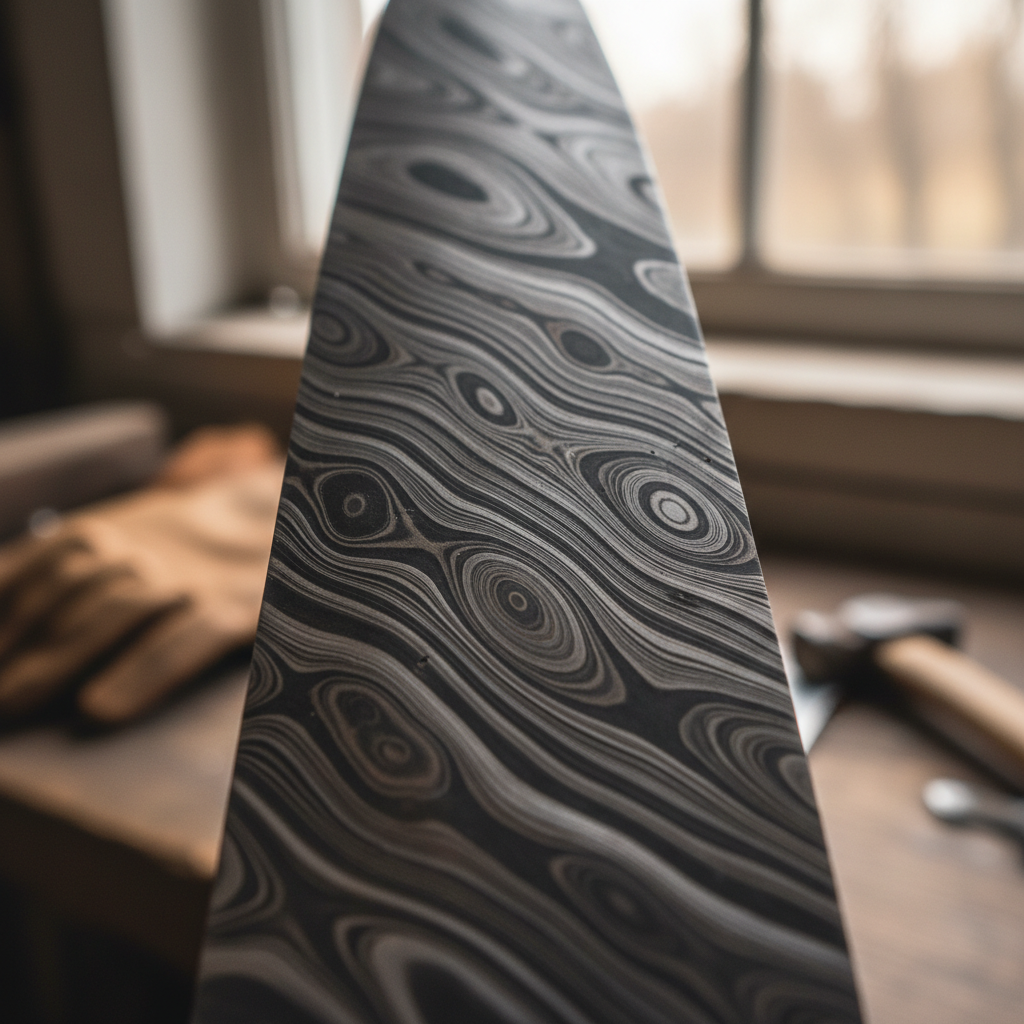
Damascus steel blade with visible pattern-welded layers, held up against dark workshop background
EP. 045
58m
Steel ChemistryDamascus

Damascus and the Myth of Mystery Steel

Okafor separates the folklore from the physical chemistry — what pattern-welded steel actually does to toughness, and what it doesn't.
Reuben Okafor
Metallurgist & bladesmith, Chicago
Feb 10, 2026
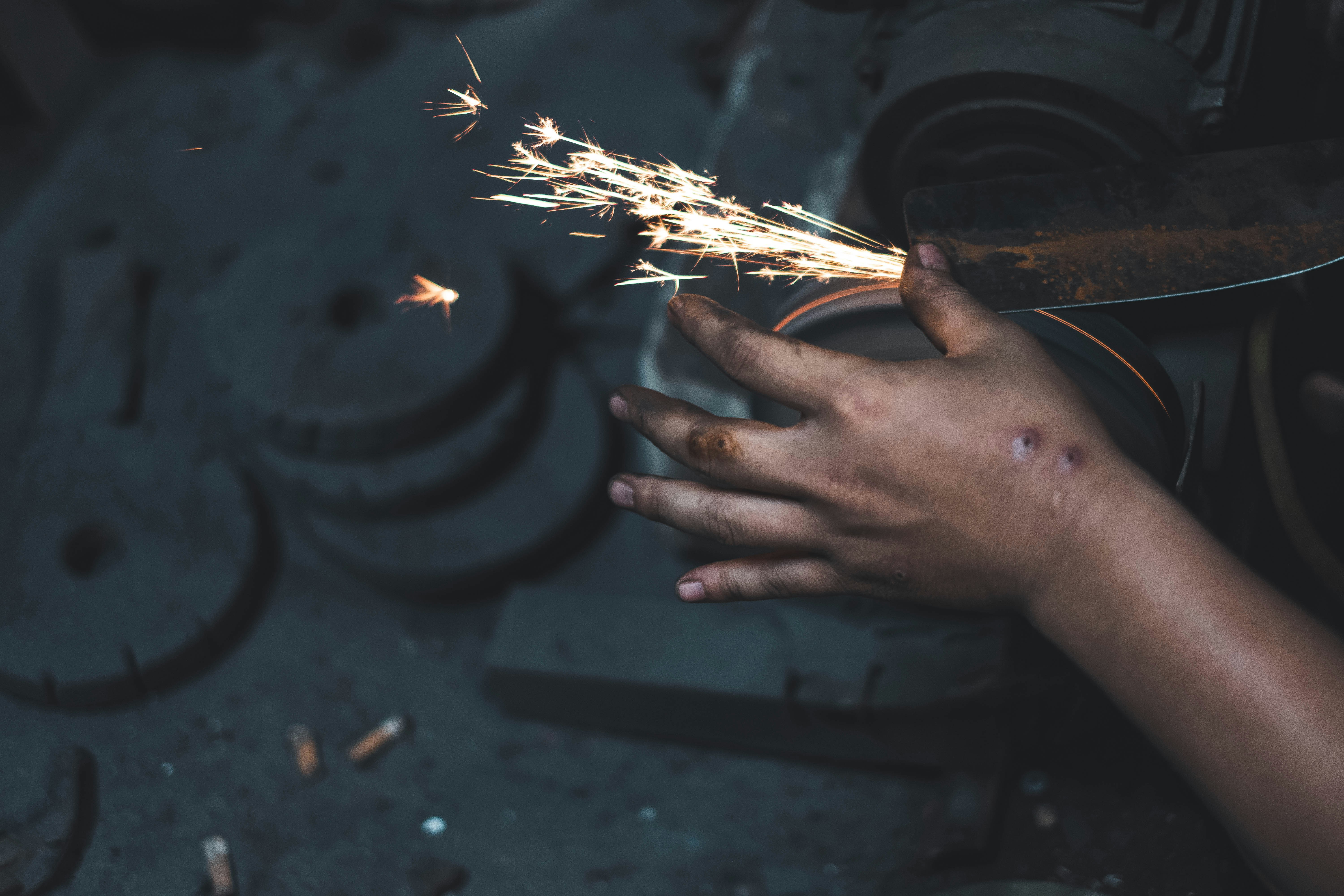
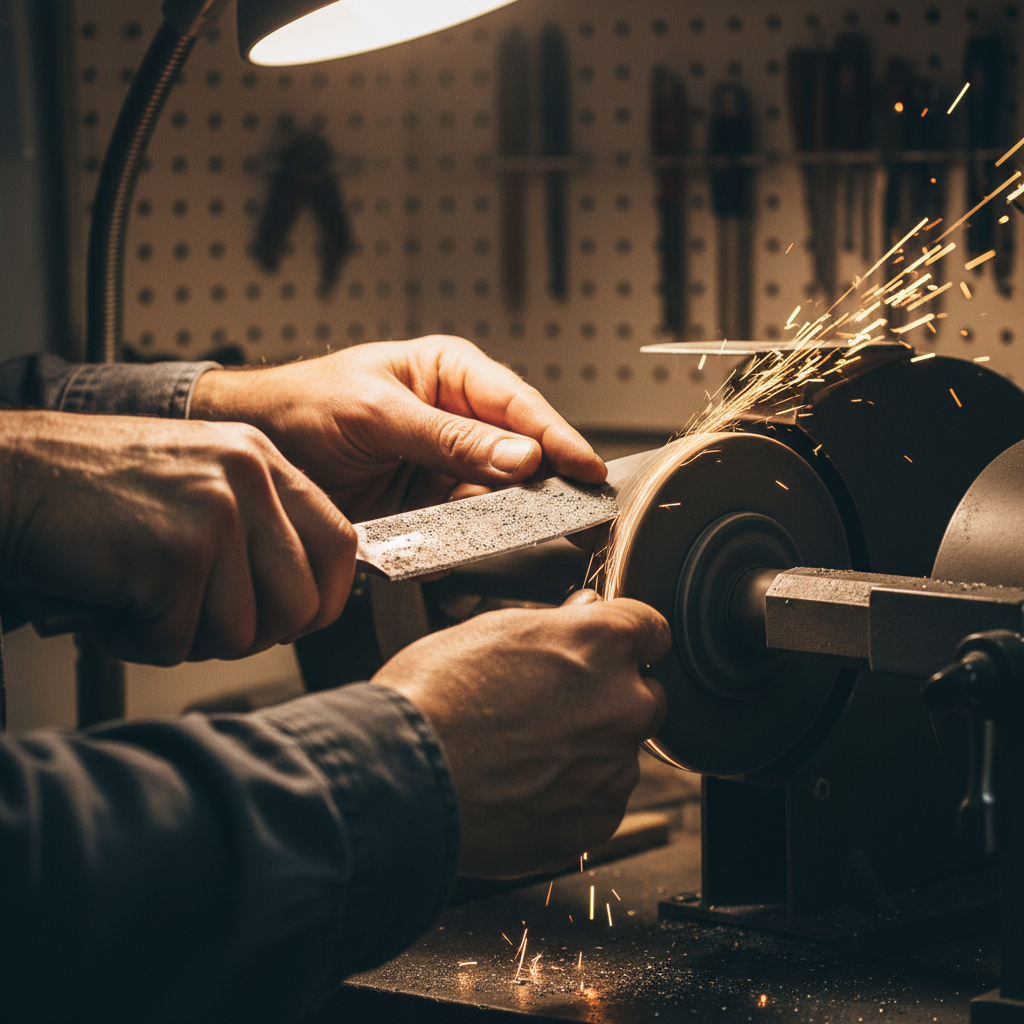
Knife maker's hands grinding a blade on a belt grinder, sparks flying in a dim workshop
EP. 044
1h 4m
MethodsProduction

Stock Removal vs. Forging: The Honest Answer

Mehta spent eight years in both camps. Her answer will frustrate purists on both sides — and that's exactly the point.
Priya Mehta
Production knife maker, Pune
Feb 3, 2026
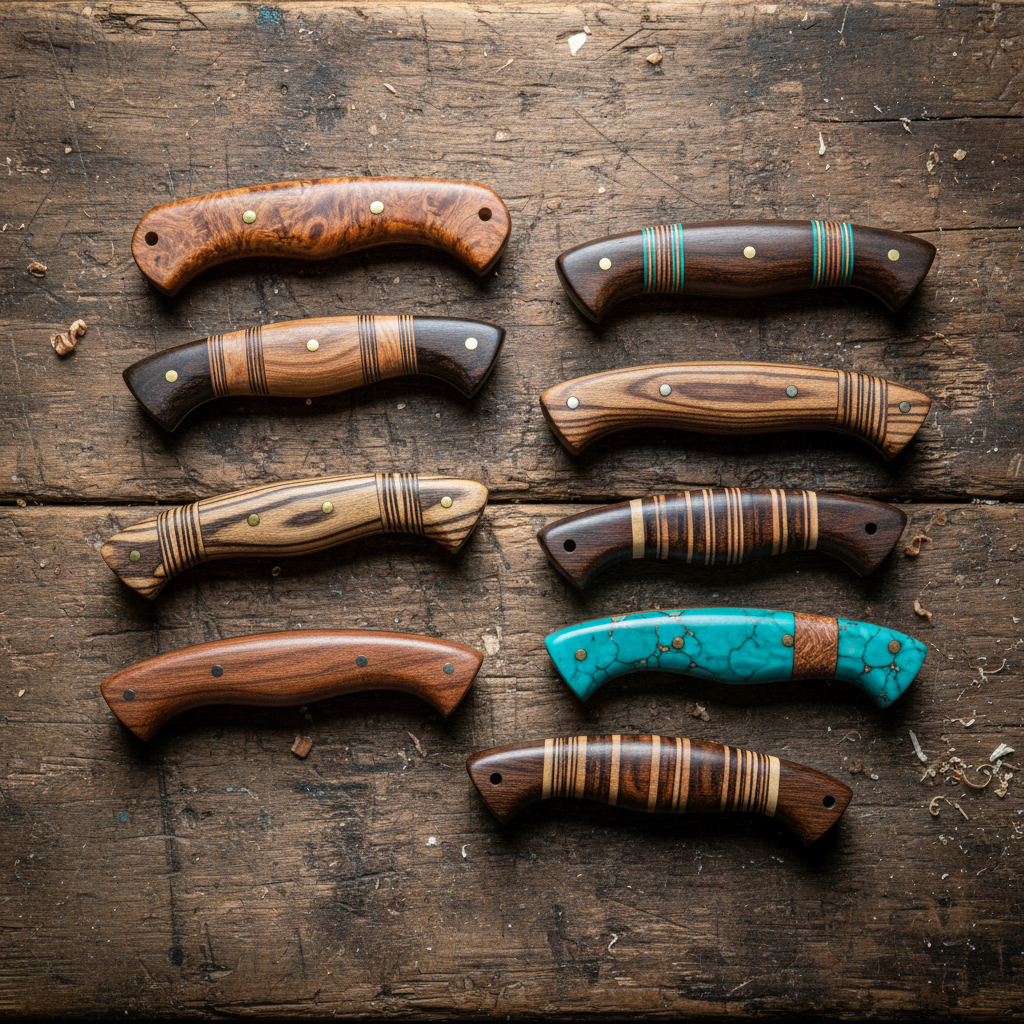
Collection of handcrafted knife handles in various woods and materials laid out on a workbench
EP. 043
52m
Handle DesignErgonomics

Handle Geometry: What Your Hand Already Knows

Varga has fitted handles to three hundred hands. The data surprised him. The fingers, he says, never lie about what they need.

Tomás Varga
Ergonomic handle specialist, Budapest
Jan 27, 2026
✦ The Deep Archive ✦

Five Thousand Years of Edge

The archive traces the craft from bloomery furnace to basement shop. Each era pinned to an episode.

~3000 BCE

Bronze Age Smithing

Earliest copper-tin alloys hammered into functional blades. The first intentional hardening.

~800 BCE

Iron Smelting Spreads

Bloomery furnaces across the Near East. Carbon migration into iron begins the story of steel.

EP. 031Iron Memory
~700 CE

Japanese Tamahagane

Tatara furnace steel. Differential hardening in clay. The hamon as a record of the quench.

EP. 039The Hamon Line
~1100 CE

Pattern-Welded Revival

Viking smiths laminate iron and steel. Pattern emerges from function, then becomes identity.

1800s

Sheffield Steel

Industrial crucible steel. Standardized alloys. The democratization of the working edge.

1960s

Powder Metallurgy

CPM and sintered steels. Carbide distribution finally controlled. The modern performance era.

Today

The Maker Renaissance

Basement shops and YouTube tutorials. Hand forging returns not from necessity but love.

Editor's Picks

New to Forge? Start Here.

Three episodes chosen by the editors — one for the newcomer, one for the collector, one for everyone who wants to understand where the craft came from.
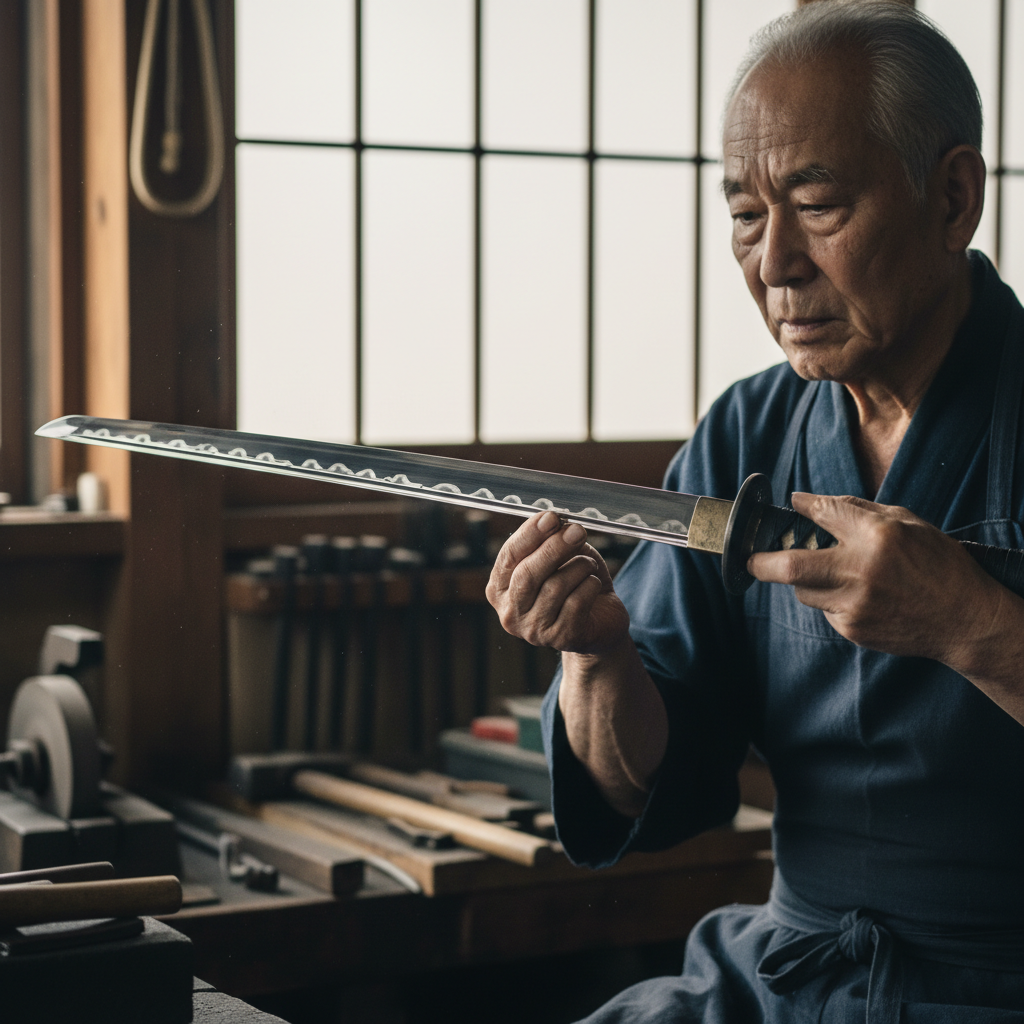
Japanese master bladesmith Hiroshi Tanaka in his Sakai workshop, examining a finished blade against the light
Editor's Pick
1h 03m
Start Here · EP. 001

What Makes a Knife a Knife

The episode that started everything. Tanaka explains why the question isn't 'how sharp' but 'sharp for what' — and why that distinction changes every decision that follows.
Hiroshi Tanaka
Master bladesmith, Sakai
Play This One
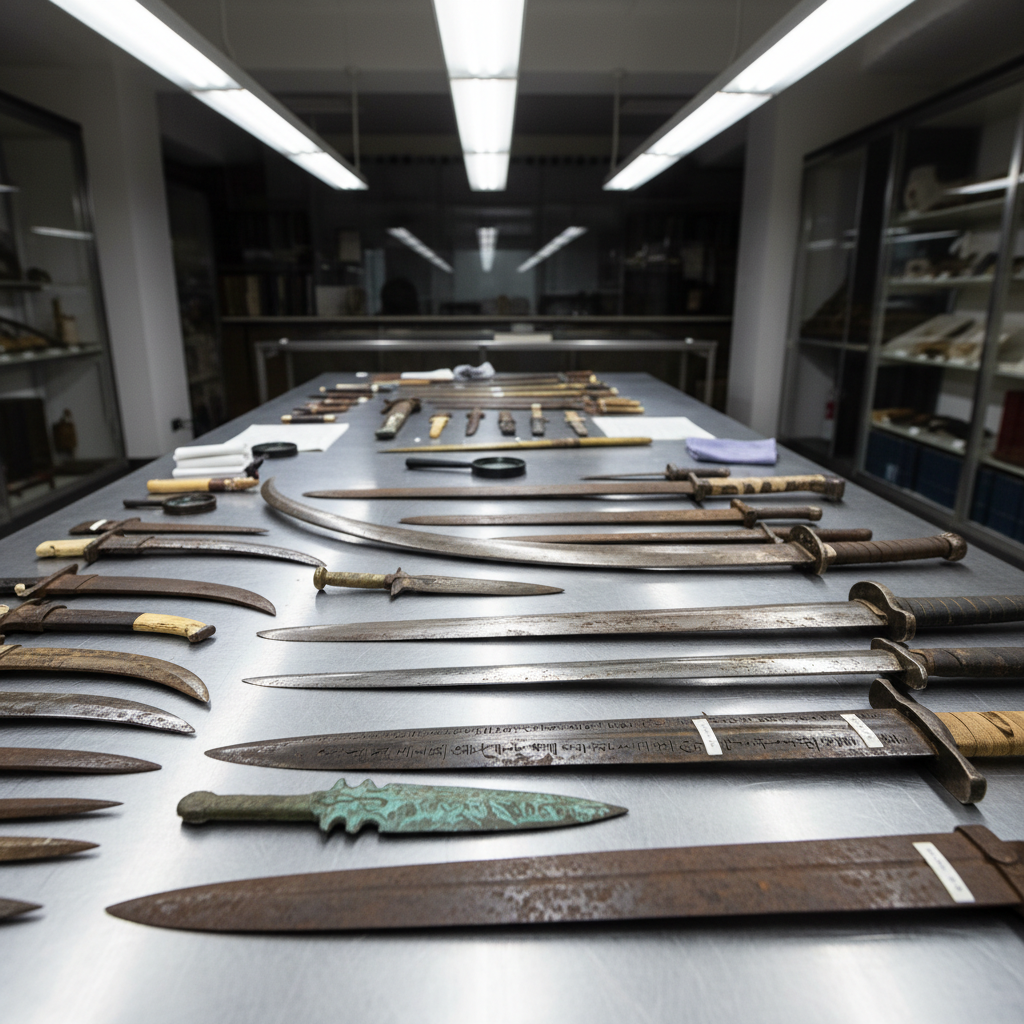
Collection of antique and historical blades laid out on a curator's examination table with measuring tools
For Collectors
55m
For the Collector · EP. 019

Reading a Blade Like a Document

Osei walks through provenance, period-correct finish, and the tells that separate a genuine antique from a convincing reproduction. Required listening before you spend four figures.
Amara Osei
Knife historian & curator, Accra
Play This One
Beginner knife maker grinding their first bevel on a belt grinder, instructor's hands guiding the process
For Beginners
48m
For the Beginner · EP. 012

Your First Bevel: No Lies

Morozova spent three years teaching beginners. She knows exactly where the first bevel goes wrong — and it's not where you think. The most-shared episode in the archive.

Svetlana Morozova
Knife making instructor, St. Petersburg
Play This One
Subscribe to Forge

New episodes drop every Tuesday.

Available on Apple Podcasts, Spotify, and any RSS reader.

Water Stones and Whetted Memory
Listen to Latest